Michael McNamara Delivers on Pledge to Enact EU-wide “Nudifier” Ban in AI Omnibus
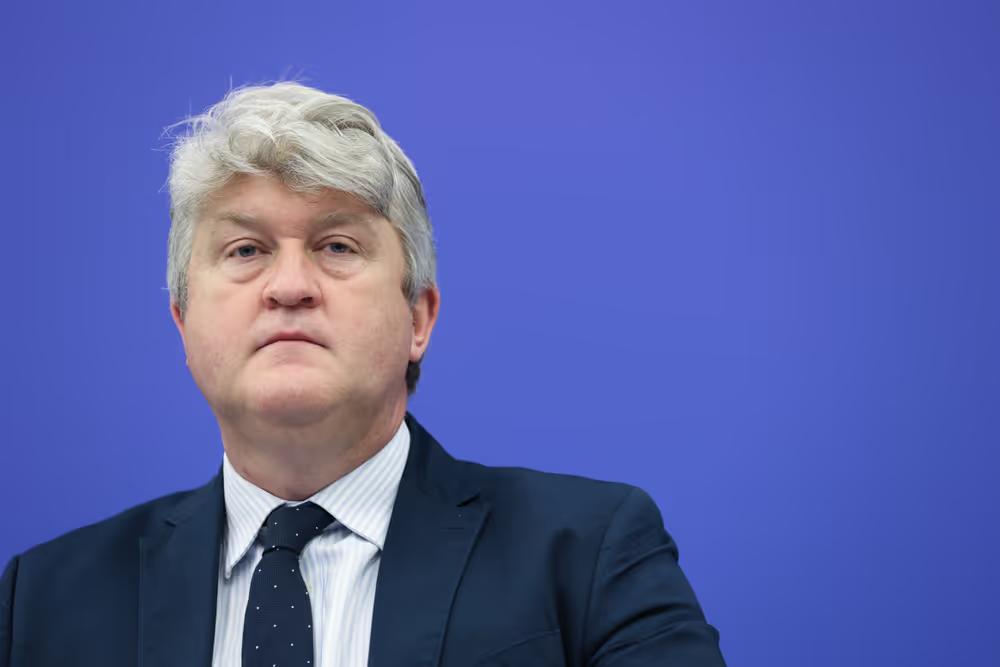
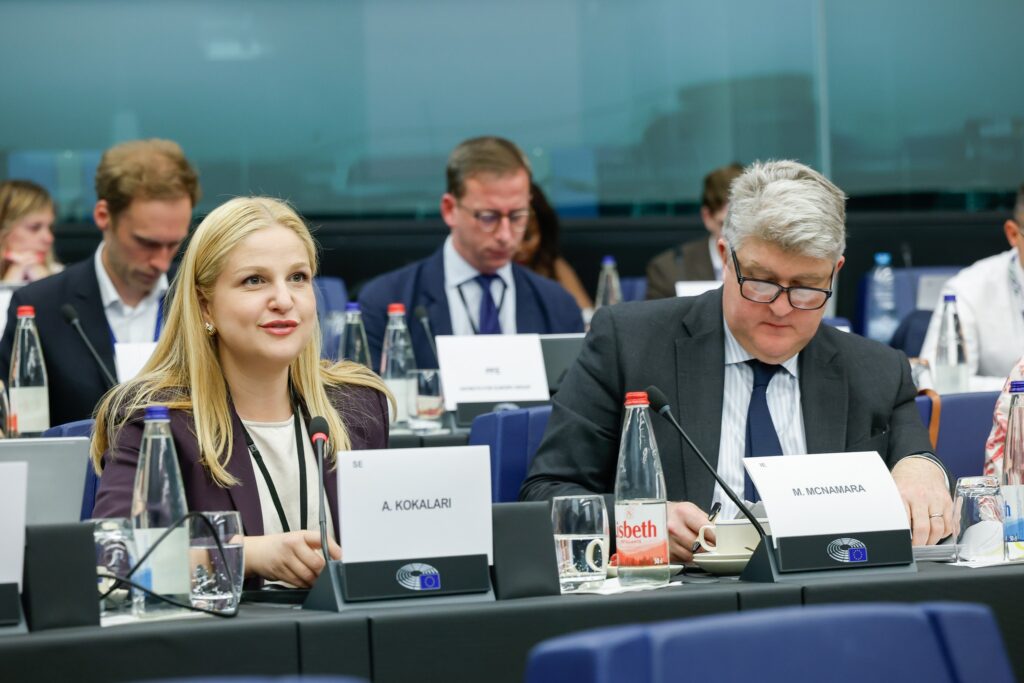
This week, the European Parliament has voted by a broad majority to introduce a ban on AI “nudifier” tools, proposed by Independent MEP Michael McNamara.
The ban, which will come into effect on 2 December of this year, will outlaw AI systems designed to generate fake nude or intimate images of real people without their consent, closing what McNamara identified as a major gap in existing laws.
“Recent controversies involving AI systems, demonstrated there was no clear prohibition on the technology which was being used to generate highly realistic fake nude images of real people, of which the overwhelming majority of victims were women and girls. I pledged to change that when I was appointed as a Rapporteur in the Parliament. Following negotiations with the Council, the passing of this legislation will ensure that this abuse will no longer be allowed.”
The updated rules also extend compliance deadlines for certain high-risk AI systems, giving businesses and public authorities additional time to prepare while maintaining key safeguards.
“Irish companies and SMEs, particularly in the tech and manufacturing sectors, needed certainty. They couldn’t comply with rules when the technical standards hadn’t even been written yet. We’ve fixed that, without removing the protections that make this legislation worth having.”
McNamara said the final agreement strikes a practical balance between encouraging innovation and protecting citizens from harmful uses of artificial intelligence.
“As the capabilities of AI continue to expand at a startling rate, so too does the potential for both good and harm. It is our responsibility to ensure that these technologies are developed and deployed in a way that respects people’s rights and dignity.”