EU Gambling Tax
A proposed EU gambling tax is not a bad idea. The growing gambling industry, increasingly transnational, is dangerous and destructive to our societies and should be taxed heavily due to the damage it causes.
A proposed EU gambling tax is not a bad idea. The growing gambling industry, increasingly transnational, is dangerous and destructive to our societies and should be taxed heavily due to the damage it causes.
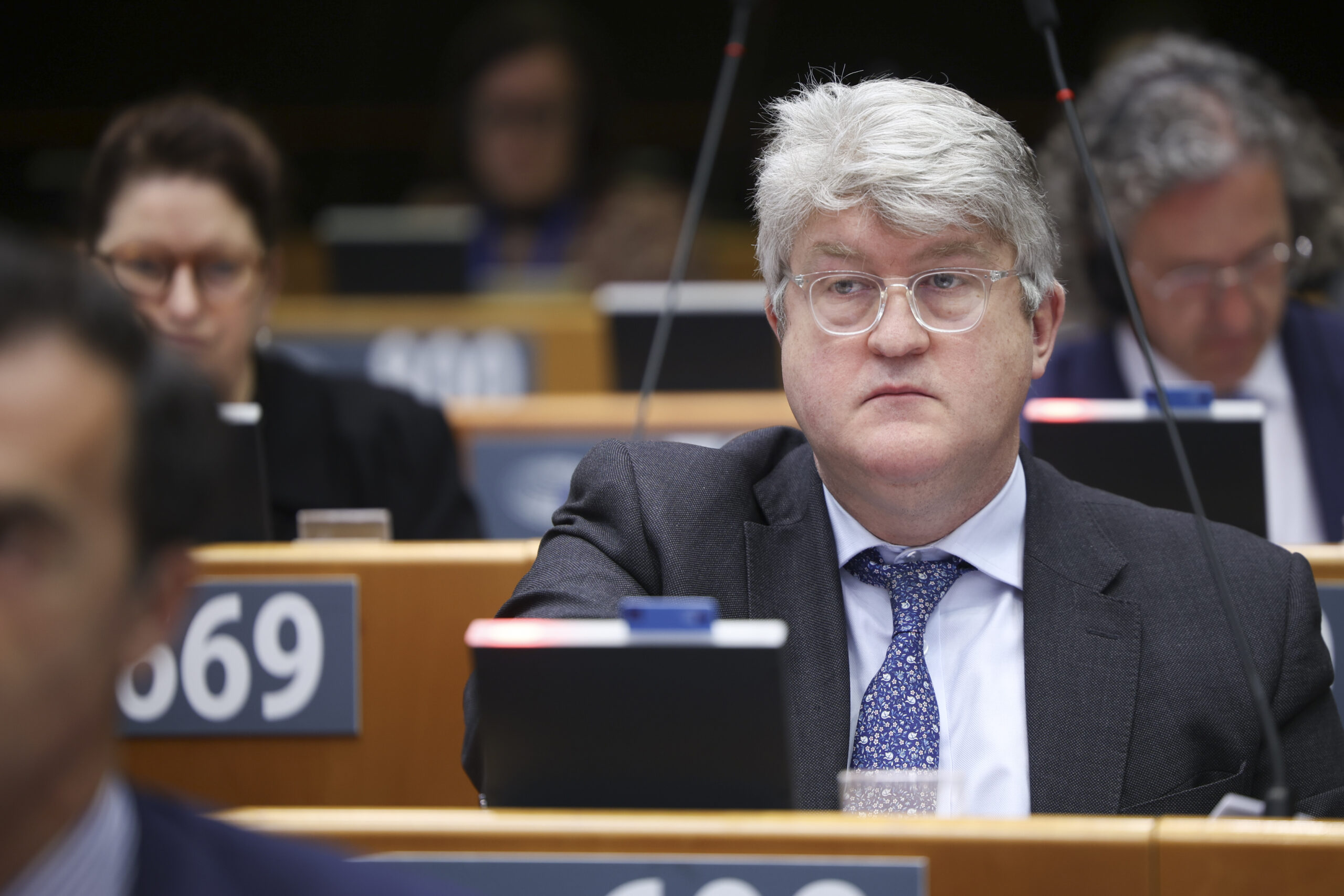
Speaking in the European Parliament’s plenary debate on the rights and protection of victims of crime, Independent MEP from Clare, Michael McNamara, called for urgent action at national and European level to support victims of drug debt intimidation, a growing crisis he described as affecting young people across Ireland and, increasingly, across the EU.
MEP McNamara drew attention to the particular vulnerability of young people caught in cycles of drug debt, noting that victims are routinely threatened not to approach police and they comply because they do not believe they will receive protection. He described this pattern as increasingly prevalent right across the Ireland South constituency, is no longer confined to cities and argued it cannot be unique to Ireland as drug use rises across the European Union.
Speaking in the Chamber, McNamara highlighted: “These are often young people who are afraid to seek help. They are told: don’t go to the gardaí. And they don’t, because they don’t believe they will receive protection. We need to find a way instil confidence in people that they will receive protection.”
The scale of the problem at home is stark. Ireland’s first national data report on drug-related intimidation, published this year by D.R.I.V.E. (Drug Related Intimidation & Violence Engagement) and the Health Research Board, recorded over 1000 cases across every county of the State in 2024-2025. Almost two-thirds of victims were living with family members and over one-third of those cases were actively experiencing intimidation at the time they sought help. Drug-related debt was present in over two-thirds of cases, ranging from under €100 to more than €20,000. Nearly three in ten victims endured intimidation for more than a year, and in over a third of cases no support was offered to the individual despite their disclosure.
Responding to this report, McNamara stated: These figures should be a wake-up call for the Government. Over a thousand cases recorded in a single year and that is only what has been disclosed. Behind every one of those cases is a family living in fear. We need properly resourced support services, we need victims to believe they will be protected if they come forward, and we need a serious political commitment to tackling this at home as well as in Europe
MEP McNamara called on the European Commission and member states to treat victims of drug debt intimidation as the victims of crime they are, ensuring access to genuine protection and meaningful support. He argued that as drug use increases across the EU, drug debt enforcement through intimidation and violence is a pan-European problem that demands a coordinated European response alongside robust action at national level.
Drug Debt intimidation becomes a bigger problem every day as drug use increase across Ireland and other EU states. The victims of this crime need help now from Governmental and law enforcement agencies.
The EU’s unwillingness to criticise the illegal attacks on Iran and resultant civilian deaths undermines its condemnation of the rise in use of the death penalty there.

Michael McNamara MEP (Ireland / Independent) has welcomed today’s vote in the European Parliament to refer the EU–Mercosur Agreement and Interim Trade Agreement to the Court of Justice of the EU for an opinion on their compatibility with the EU Treaties.
McNamara was a co-signatory to the request for Court’s over sight and voted in favour of the resolution, which was adopted by a narrow margin. The referral suspends parliamentary consent until the Court has ruled, a process expected to take up to two years.
Commenting on the outcome, McNamara said:
“The Mercosur Agreement and Interim Trade Agreement have now been referred to the European Court to test their legality. This is a small but important victory for those who oppose the betrayal of European farmers, and for those who believe that the rule of law must prevail especially in these strange times.” McNamara has consistently raised concerns about the agreement’s legal basis, democratic accountability, and its implications for agricultural standards, environmental protections, and fair competition. He stressed that judicial scrutiny is not an obstruction, but a necessary safeguard to ensure that major international trade agreements fully comply with EU law and Treaty obligations.

Ireland South MEP Michael McNamara has called for the Government to introduce free public transport across Ireland, following the IMF’s warning that “all roads lead to higher prices and slower growth worldwide” should the conflict in the Middle East continue.
“The Government’s call on households to cut fuel use is meaningless unless it concentrates on encouraging the public to use alternatives,” McNamara said. “Public transport needs to be made free for users for the next six months. This would cost up to €275 million, based on a 2023 report commissioned by the National Transport Authority (NTA) from Ernst and Young.
“It must be acknowledged that this is a significant sum of money but it is less than the amount the Government is expecting to spend on the upcoming six-month EU Presidency and is small compared to the billions of euro thrown around by the Government during the Covid era. “Making buses, trams and trains free is a relatively easy measure for the Government to implement and one that will make a difference to ordinary people, as it will result in a new focus on public transport alternatives,” McNamara concluded.
Clare-based MEP Michael McNamara has today led a letter signed by Members of the European Parliament to HR/VP Kaja Kallas, the EU’s foreign policy chief, demanding immediate intervention following the seizure by Israeli military forces of civilian vessels from the Global Sumud Flotilla in international waters near Crete.
Among those unaccounted for is Irish citizen and Ennis man Martin Guilfoyle, who is among 7 Irish citizens who were aboard one of the intercepted vessels. His whereabouts and welfare remain unknown. McNamara has also written separately to the Minister for Foreign Affairs, the Irish Permanent Representative to the EU and the Irish Ambassador in Tel Aviv demanding urgent consular intervention on their behalf.
The letter, backed by MEPs from various different political groups, describes the interception as a serious act of aggression by a foreign military power in European waters, hundreds of miles from Gaza, with no legal or security justification. The co-signatories are calling on Kallas to intervene at the highest diplomatic level, summon the Israeli Head of Mission to the EU, place sanctions on the table, and report urgently to the European Parliament.
McNamara said of the incident: “This is a serious act of aggression by a foreign military in European waters. EU citizens – including Irish citizens – are unaccounted for. I am not prepared to wait while bureaucratic processes run their course. I am demanding immediate action from Kallas and the EU to act.
The Global Sumud Flotilla departed from Italy on Sunday carrying over 400 civilians from multiple countries on a humanitarian mission to Gaza. Twenty-two of its vessels were intercepted by Israeli military forces on 29 April. The interception took place approximately 600 nautical miles from Gaza which is far beyond any previous Israeli interdiction of a civilian flotilla.
McNamara added “Israel cannot continue to behave like a rogue state without consequences”
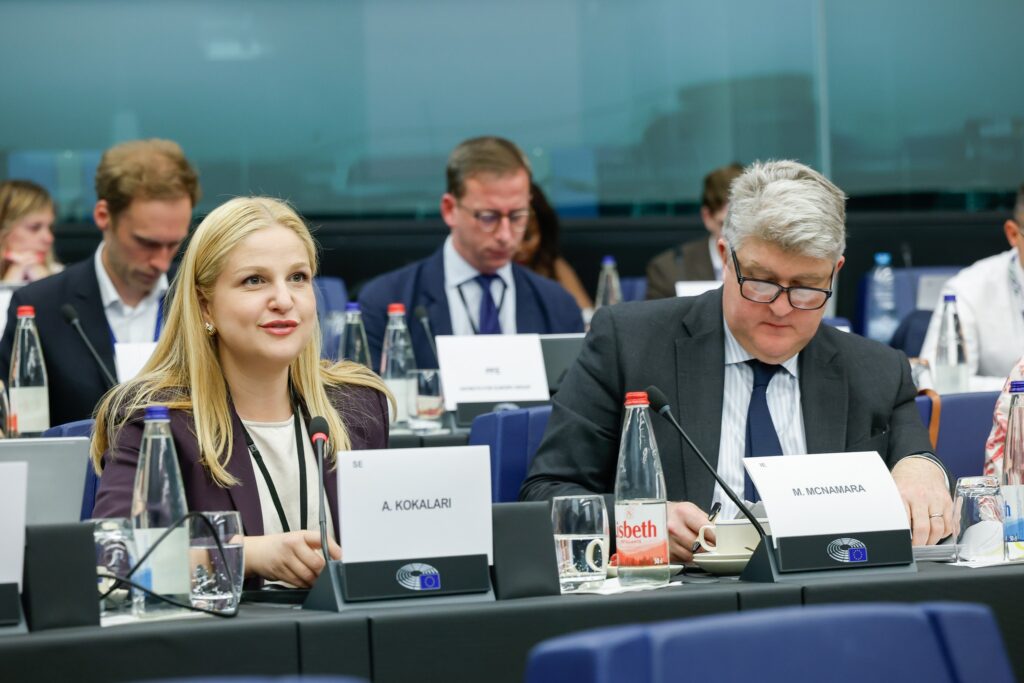
At the FEMM public hearing on AI and Gender-Based Violence, I spoke about the importance of effective drafting on a ban on so-called nudification apps.